
Flow state is recognised as a high-performance cognitive state, a state of deep absorption where focus sharpens, self-consciousness quietens, and performance can begin to feel almost effortless. Time disappears, concentration deepens, and we often produce some of our best work.
Yet the role that nutrition, recovery and physiology play in helping us access this state is still vastly overlooked. A recent Gallup Workplace Survey (2026) showed that:
- Highly engaged teams demonstrate up to 18% higher productivity and 23% higher profitability.
- Yet they estimated that 64% of employees are unengaged and 16% actively disengaged. That offers a huge area for improvement in both productivity and profitability if targeted correctly.
While Gallup does not directly measure “flow state”, there is substantial overlap between engagement, strengths-based work and the deep cognitive focus associated with flow. In flow state, performance can feel almost effortless and time vanishes but we can’t do it if we are not supporting our biology.
The concept of flow state was first proposed by Mihaly Csikszentmihalyi in the 1970s and has since become a cornerstone of performance psychology, elite sport, leadership, and increasingly, workplace wellbeing. Runners may recognise it as being “in the zone”. It is that feeling where rhythm, pace and movement seem to align naturally. In the workplace, flow can look like becoming so immersed in a task that time disappears entirely. Work feels energising rather than draining and productivity often increases alongside creativity, problem-solving and clarity of thought.
However, achieving flow is not simply psychological which is where much of the focus has been. We cannot expect the brain to perform optimally if we are under-fuelled, riding a blood sugar rollercoaster, sleep deprived, chronically stressed or lacking the nutrients required for neurotransmitter production and nervous system regulation.

While nutrition alone does not “create” flow state, the brain remains a biological organ with high metabolic demands. Sustained concentration, emotional regulation, motivation and cognitive flexibility all depend on adequate physiological support
So how do nutrition and lifestyle influence our ability to access flow states? In practice, many of the factors that support physical performance also underpin cognitive performance and here are some key areas to focus on:
Glucose Stability
The brain has high energy demands, yet many people attempt to sustain concentration through cycles of caffeine, convenience food and/or long gaps between meals, especially given the trend in fasting. While fasting has a place, it can have negative impacts on us if done inappropriately, in fact contributing to cortisol elevation; knowing when to fast and when to not is key. The same principle applies in athletic performance. Meanwhile, large fluctuations in blood glucose can contribute to energy crashes, impaired concentration, irritability and reduced cognitive resilience. Flow states are more likely to occur when energy availability is stable.
Neurotransmitter Precursors
Neurotransmitter precursors are the amino acids we need from protein and various vitamins and minerals that drive their conversion to the end products (like dopamine and serotonin). There is a lot of genetic variation in how we can all do this too. These neurotransmitters are involved in motivation, focus, reward and emotional regulation. Key nutrients involved in these processes include iron, zinc, magnesium, B vitamins and omega-3 fatty acids, all of which play important roles in brain function. However, this does not mean we should all rush out and supplement these – it means assessing diet quality first, testing to see what our levels actually are (plus doing genetics if you really want to get it right) then working out what you need and how best to get it.
Sleep Architecture
Sleep is not simply “rest.” It is an active biological process involved in memory consolidation, emotional processing, nervous system regulation and metabolic recovery. Even small reductions in sleep quality can impair reaction time, decision-making and cognitive flexibility — all highly relevant to the ability to enter and sustain flow states.
Under-Fuelling
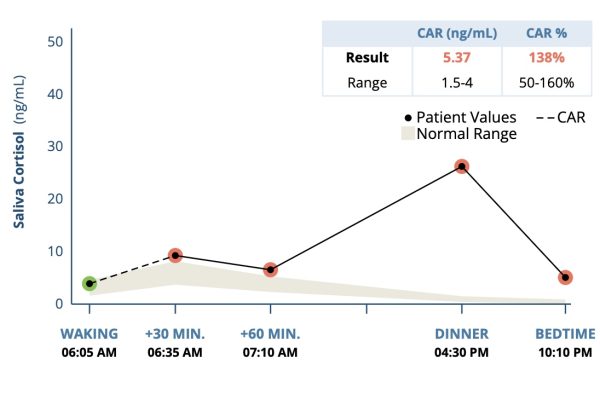
One of the most overlooked barriers to sustained performance is simply not eating enough. Low energy availability increases physiological stress and may impair thyroid function, recovery, sleep, hormonal balance and cognitive performance. What surprises many people is how it can actually contribute to diabetes through its ability to drive cortisol up when we don’t want it high. Learning how to periodise your nutrition (again the athlete analogy) is important.
HRV and Autonomic State
Flow tends to occur in a nervous system state that balances alertness with control, not complete relaxation, but not chronic sympathetic overdrive either. Persistently low HRV may reflect cumulative stress load, poor recovery or inadequate sleep, all of which can impair cognitive flexibility and emotional regulation. One of the tools we use as a great coaching tool is a device called Firstbeat that allows the nervous system to be monitored throughout the day and night as a coaching tool so you can really see the impact meetings/travel have on your body.
Inflammation
Chronic low-grade inflammation is increasingly associated with changes in mood, fatigue, cognitive performance and motivation. Poor sleep, nutrient deficiency, excessive ultra-processed food intake, high alcohol consumption and chronic psychological stress can all contribute to an inflammatory internal environment. There can be other drivers that are less easy fixes such as bacterial imbalances, pathogens, viruses and the most common one I see is being on the path to burnout.
Recovery Capacity
Flow cannot be sustained indefinitely. Many high performers mistakenly believe that productivity comes from constantly pushing harder (rather like athletes who can’t miss a training session), yet cognitive performance follows biological rhythms. Recovery is not the opposite of performance — it is part of performance.
Overtraining and Burnout Overlap
There are striking parallels between overtraining syndrome in athletes and burnout in high-performing professionals: fatigue, reduced motivation, impaired recovery, sleep disruption, mood changes and declining performance despite continued effort. In both cases, the issue is rarely a lack of discipline, but more often an imbalance between load, recovery and available resources. This can be seen clearly in blood markers and the sooner it is caught and addressed, the greater the chances of sustaining (or improving) your current performance.
Ultimately, flow is not simply a mindset issue. It is also a biological capacity issue. If you’d like to learn more please contact Katherine on katherine@kchntutrition.co.uk.